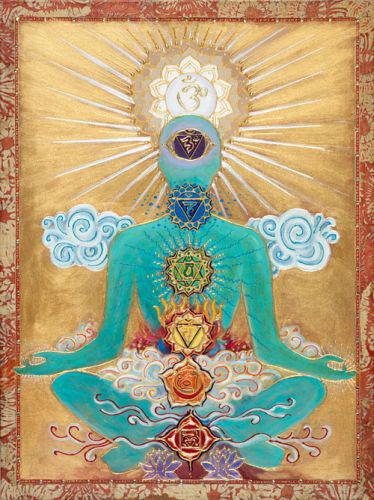
Meditation is very important in any spiritual work, in many ways this is where it starts. It is important (useful) to be able to enter/switch to different state of consciousness – this is most important aspect of meditation for magician. By practicing meditation you will learn to concentrate, learn your limitations and expand them and travel to the origin of your soul. Side effects include tranquility, insight, clarity of mind, lack of laziness. After meditation, you will be more receptive to experiences and will therefore learn and perform better. This is also the starting point for a lot of magic work. What started as list of meditative practice became list of meta skills – here I will describe the important skills for magician to build foundation for more concrete magic practice.
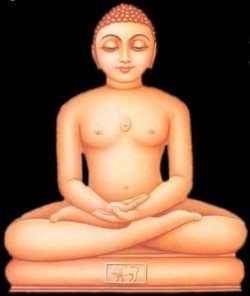
For many who are at the beginning of their path, meditation is particularly hard. This is not surprising – meditation is a first level or meta skill, it affects all secondary skills and your ability to learn/take in information from the world.
Meditation Attaining state of complete detachment. In Chaos magic this is called gnosis (Peter J. Carroll). In Zen Buddhism this is Zazen. To practice, sit in a comfortable position (or accordion to instruction) and continually let go of ideas, words, feelings, judgments and images passing through your head. The point is to detach from the thought-flow or inner dialogue and just be.
Concentration Attaining state of complete awareness. clear you mind space of junk, know what's in your mind and what surrounds you. You want to be extremely conscious, aware of reality of things and of the present moment. This type of meditation is especially useful for stealth fighters, as in Ninjutsu for example. In any meditation, but specifically awareness meditation, you become aware of your body (senses, breathing), feelings and mind.
One way to practice Awareness to see your progress is to stand still while another person either sneaks up to you from the back or does some other subtle movements, which you try to be aware of. If you're practicing alone, you can practice recognizing changes in environment that can be tested, such as movements of animals. Hunting can be one such meditative activity. Archery requires high concentration to attain precision and also catching a flying arrow is another example of high concentration activity.
Contemplation This, like the others, can be called meditative practice. There are two types. In one case, you are not trying to achieve anything in particular. Basically just sit and do nothing. You can let your mind wander, don't try to concentrate and don't try to detach. This is like free-form contemplation. The other type is when you predetermine a subject to contemplate, then sit down to meditate on it. In other words, run thoughts through your mind relating to the subject.
Visualization Practice of imagination. In this practice, you concentrate on images in your mind. There are several ways to practice this. One way is guided meditations, whether guided by another person, audio or reading, you take a mental trip involving the senses. Focusing on smells, sounds, physical sensations and images that are being suggested to you by the guide. Another way to practice visualization is to imagine a simple object in your mind (like a cube or a ball) and then concentrate on it, rotating the object and playing with it to see how it's affected. You can also use real life object, like a pencil or a rock. Study the object for a while, then close your eyes and try to visualize it, rotating it, etc. Drawing what you see is another helpful practice to increase visualization skill for practicing magician. In this case, you must avoid drawing in the details from your imagination and try to get as close to what you actually see as you can. What you draw doesn't matter, it's best to draw whatever is around you not seeking out something you think is cool to draw.